
Hello everyone and welcome back to another blog post. So, you’re tired of playing as the 47th gruff space marine with a heart of gold and a voice like gravel in a blender? Welcome. You’ve come to the right place. Indie games are where creativity isn’t just a bullet point on a shareholder presentation. It’s where you find characters who are weird, profound, anxiety-ridden, and sometimes literally silent—yet somehow more memorable than any super-soldier with a billion-dollar marketing budget.
We’ve braved crumbling kingdoms, climbed metaphorical (and literal) mountains, and managed cults (for fun, not profit) to bring you this definitive, completely indisputable ranking of the best main characters indie gaming has to offer. Prepare for emotional damage, a few laughs, and at least one character who is definitely judging you.
How We Picked These Digital Masterpieces
Before you get out your virtual pitchforks, here’s our (almost) scientific method. We judged each character on a few key things that actually matter:
- Do They Make the Story? Is the game just a series of events, or is the protagonist the emotional engine that makes it all work?
- Do Their Pixels Have Personality? Can you imagine them existing outside their game’s code? Would you want to get a coffee with them? (Warning: some choices may be hazardous to your health).
- Do the Gameplay and the Character Have a Single Brain Cell? The best indie characters aren’t just in a game; the way you play is who they are. If the controls feel disconnected from the story, someone didn’t do their homework.
Right, enough admin. Let’s get to the list, starting with an entry that proves you don’t need to say a word to say everything.
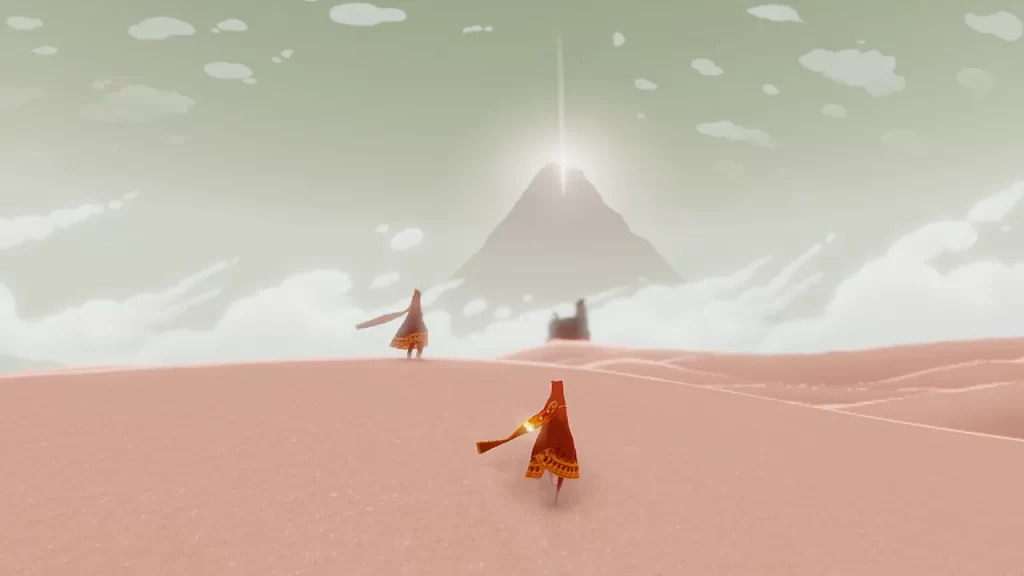
10. The Traveler (Journey)
The Pitch: A nameless, wordless, faceless figure trekking through a desert. Sounds thrilling, right?
Why They’re Here: The Traveler is the ultimate proof that less is, in fact, a masterpiece. Stripped of all dialogue, backstory, and even a gender, this character becomes a perfect vessel. Your connection isn’t forged through cutscenes, but through the shared, silent experience of gliding down sun-drenched dunes or huddling from a storm with a complete stranger you met online. You project your own feelings onto that little robe, and the game gives them back tenfold. It’s a powerful, emotional magic trick that only works because the developers had the guts to keep it simple. And let’s be honest, after a long day, not having to listen to another NPC prattle on is its own kind of bliss.
9. The Kid (Bastion)
The Pitch: A white-haired kid with a big hammer in a world that literally builds itself around him as he walks.
Why They’re Here: While The Kid himself is the strong, silent type, he’s framed by one of gaming’s greatest narrative devices: a dynamic narrator. Every action you take—picking up a new weapon, stumbling into an ambush—is commented on in real-time by the gravelly voice of Rucks. This turns a simple action game into a living, breathing legend being told around a campfire. You’re not just playing a character; you’re performing the myth of The Kid as it’s being written. It’s a clever twist that makes you feel incredibly cool, even when you’re just smashing some crates. (Narrator voice: “Then the Kid, in a stunning display of strategic genius, smashed the crate for the twelfth time.”)
8. The Hollow Knight (Hollow Knight)
The Pitch: A tiny, silent bug with a nail for a sword, exploring a vast, dead kingdom full of other bugs. It’s like a really depressing, beautiful safari.
Why They’re Here: This little vessel is a masterclass in atmosphere. The Knight’s silence and minimal animations make you feel small, fragile, and alone in the magnificent, decaying world of Hallownest. The genius is in the lore: you’re not the first “Hollow Knight,” and your quest is shrouded in tragic inevitability. Every boss you defeat and area you map feels like a step deeper into a melancholic truth. They managed to make a character defined by its emptiness more compelling than most heroes defined by their overflowing personality. A stunning, somber achievement.
7. Madeline (Celeste)
The Pitch: A young woman who decides the best way to deal with her anxiety and self-doubt is to climb a magic mountain. Relatable.
Why They’re Here: Madeline isn’t just a character you watch; she’s a struggle you feel. Every precise, pixel-perfect jump, every death and restart, mirrors her internal battle. The mountain is her anxiety, and the gameplay is your shared therapy session. The game doesn’t just tell you she’s struggling; it makes you struggle with her, and ultimately, triumph with her. It’s a brutally difficult game about being kind to yourself, which is a paradox as delightful as the game’s hidden strawberries. She’s proof that the most heroic act can sometimes just be… continuing.
6. Zagreus (Hades)
The Pitch: The eternally rebellious son of Hades, who would rather fight through the entire Greek afterlife than have a calm chat with his dad.
Why They’re Here: Zagreus is the king of turning failure into fun. In a genre (roguelike) built on repetition, he gives you a reason to want to die. Each escape attempt lets you build relationships with the gloriously dysfunctional pantheon of Greek gods, voiced with witty, award-winning writing. Zag is charming, sarcastic, and deeply relatable in his frustration with his family and his desire to break free. The gameplay loop of fight-die-chat-upgrade is perfectly mirrored in his character arc. He makes you feel like a rebellious god, even when you’re getting stomped by a giant bone hydra for the 30th time.
5. Mae Borowski (Night in the Woods)
The Pitch: A college dropout (cat) who returns to her dying hometown, hangs out with her friends, and maybe uncovers a cosmic mystery. Priorities.
Why They’re Here: Mae might be the most realistically written character in games. She’s messy, aimless, funny, scared, and painfully self-aware about her own failings. The game isn’t about saving the world in a grand sense; it’s about Mae saving herself by reconnecting with people and place. You spend your days having low-stakes adventures, playing bass badly, and joking about the end of the world—which feels more real and human than any epic quest. She’s the friend you’d call at 2 a.m., and the game makes you cherish those quiet, weird moments. A triumph of writing that stays with you.
4. The Drifter (Hyper Light Drifter)
The Pitch: A cloaked, ailing warrior exploring a world of stunning pixel art, neon ruins, and terrifying creatures. They say nothing. Ever.
Why They’re Here: Pure, unadulterated style as substance. The Drifter’s story is told through coughs, combat posture, and the hauntingly beautiful (and dangerous) world they explore. The game trusts you to fill in the blanks, to piece together the tragedy of a fallen world from environmental clues and cryptic symbols. Playing as The Drifter feels like being in a moving painting—one where you can dash-slash giant bird monsters into beautifully animated confetti. It’s a testament to the power of visual storytelling and gameplay that speaks louder than words.
3. The Lamb (Cult of the Lamb)
The Pitch: An adorable lamb saved from ritual sacrifice and given a second chance… to start a murderous cult. The circle of life!
Why They’re Here: No character better embodies the glorious, unhinged chaos of indie ideas. One minute, you’re a cute, fluffy leader, building shelters and giving sermons to your devoted (and equally cute) followers. The next, you’re a vengeful prophet on a crusade, eviscerating heretics with a demonic axe to gather resources for your commune. The sheer, hilarious dissonance is the point. The Lamb is a power fantasy about the absurdity of absolute power, and it’s an absolute blast. Managing your cult’s faith and your dungeon-crawling prowess creates a deliciously dark feedback loop. It’s the most fun you’ll ever have being completely morally bankrupt.
2. The Batter (OFF)
The Pitch: A solemn man with a baseball bat on a mission to “purify” a surreal, analog-style world by, well, beating the specters out of it.
Why They’re Here: The Batter is a quiet, chilling deconstruction of the video game hero. You follow his instructions, fight the “bad” creatures, and cleanse zones, feeling like a force for good. Then, the horrible realization dawns: you are not the hero. You are the willing instrument of a fanatical, genocidal force of order. The Batter’s unwavering, emotionless commitment to his goal holds up a mirror to the player’s own mindless compliance in games. It’s a brilliantly unsettling, philosophical gut-punch that only the unconstrained vision of an indie game could deliver. He makes you question every “heroic” action you’ve ever taken in a game.
1. The “Nameless Wonder” (The Beginner’s Guide)
The Pitch: We literally cannot tell you without committing a cardinal sin. Trust us.
Why They’re Here: Claiming the top spot is an experience that redefines what a “game character” can be. The Beginner’s Guide is a narrated tour through a series of small, unfinished game drafts. The “character” it explores isn’t a sprite you control, but an idea of a person, reconstructed through their creative work and the narrator’s own desperate, possibly flawed, interpretation. It is one of the most raw, personal, and meta-fictional experiences in gaming. It uses the medium not just to tell a story, but to make you an active, complicit participant in a narrative about creation, depression, and the need to be understood. It leaves a mark that lasts for years. It is, quite simply, the pinnacle of what indie games can achieve when they dare to break every rule in the book.
The End… of This List, Anyway
And there you have it. Ten characters who prove that you don’t need a Hollywood budget to create someone unforgettable—just a bold idea and the courage to see it through. The beauty of the indie scene is that by the time you finish reading this, some developer in a basement has already created the next character who will utterly destroy this list.
So, who did we unforgivably snub? Is the stoic sadness of someone from Signalis more your speed than Zagreus’s snark? Does the existential dread of a character from Omori hit harder than Mae’s millennial anxiety? The comments are right there. Go on. Tell us why we’re wrong. We’ll be here, probably starting yet another cult as a cute animal. It’s for the greater good. If you want to check some of the title out, check the Steam store, GOG.com or Fanatical stores.